





Seasonal HVAC Maintenance: Save Energy, Stay Comfortable, and Extend Your System’s Life
Keeping up with seasonal HVAC maintenance is one of the easiest ways homeowners can cut energy costs, stay comfortable, and make equipment last longer. This practical guide walks you through the most important tasks to keep your system running smoothly all year.
Too many homeowners skip routine maintenance — and that often shows up as higher bills, reduced comfort, or surprise breakdowns.
Follow these seasonal tips to save money, boost indoor air quality, and get more life out of your heating and cooling equipment. We’ll cover seasonal checklists, preventative steps, energy-saving strategies, when to DIY, and why maintenance plans can pay off.
Key Seasonal HVAC Tasks Every Homeowner Should Know
Simple seasonal checks keep your HVAC system efficient and reliable. They help you avoid emergency repairs and keep your home comfortable no matter the weather. Below are the core tasks to prioritize each season.
Ready Your Air Conditioner for Spring and Summer
Getting your A/C ready for warm weather means a few focused tasks:
- Clean the Condenser Coils : Dirt and debris build up on the coils and limit heat transfer. Cleaning them helps your unit run cooler and use less energy.
- Check Refrigerant Levels : Low refrigerant reduces cooling capacity. Make sure levels match the manufacturer’s specs to avoid poor performance.
- Inspect Ductwork: Leaks or blockages in ducts cut airflow and efficiency. Locate and seal any problem spots.
These basic steps go a long way toward keeping your air conditioner efficient during the hottest months.
Fall and Winter Heating Checks to Avoid Cold-Weather Problems
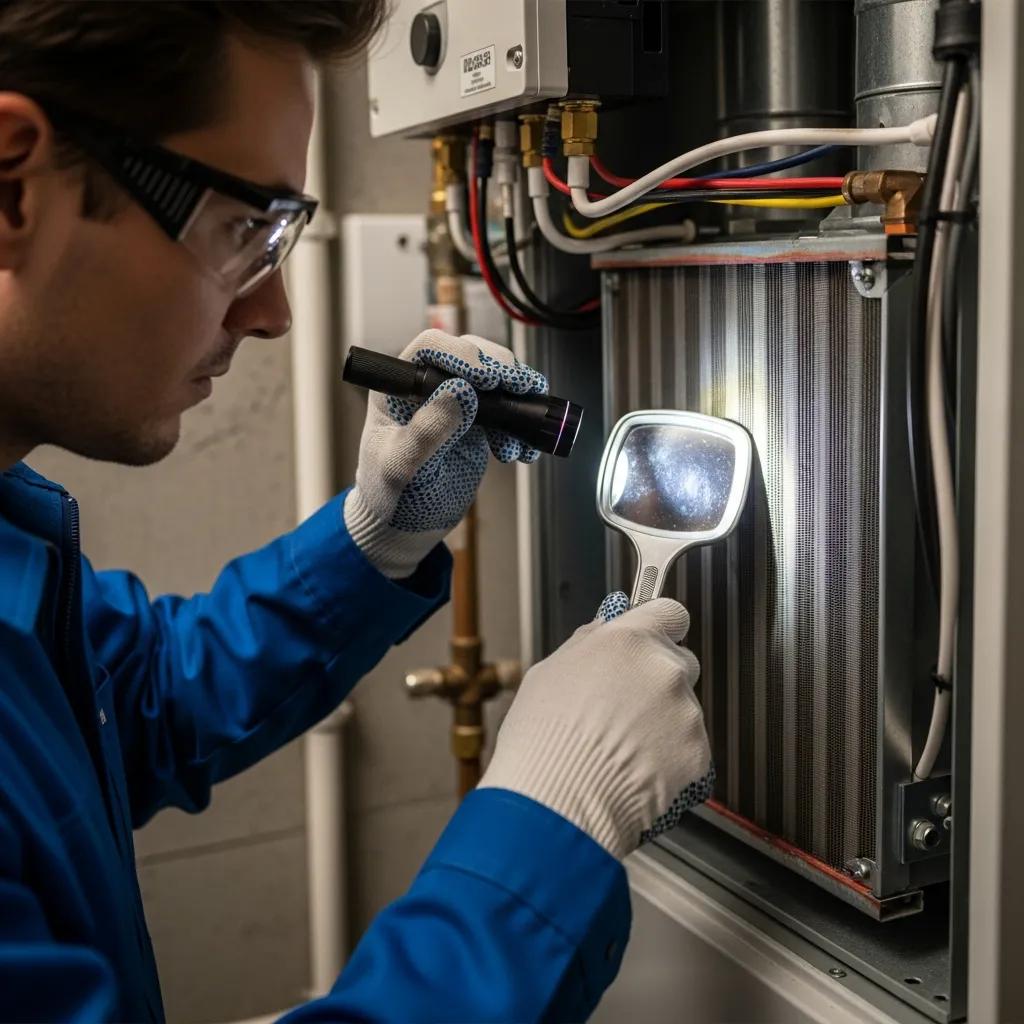
As the weather cools, make sure your heating system is ready. Focus on these high-impact checks:
- Inspect Heat Exchangers : Cracks or corrosion can cause carbon monoxide leaks. Inspecting the exchanger is a critical safety step.
- Test Thermostat Functionality : Confirm your thermostat reads and responds accurately to keep temperatures steady.
- Change Filters : Fresh filters keep airflow steady and improve indoor air quality.
Doing these checks before cold weather hits reduces the risk of breakdowns when you need heat most.
How Regular Maintenance Extends Your HVAC System’s Life
Routine care prevents small issues from becoming big, expensive problems. A little regular attention helps systems run efficiently and last longer.
Preventative Steps That Help Avoid Costly Breakdowns
The most effective preventative actions include:
- Regular Filter Changes : Replace filters every 1–3 months to keep airflow steady and reduce wear on the system.
- Annual Professional Inspections : A qualified technician can spot developing issues before they turn into failures.
- Cleaning Ducts When Necessary : Only clean ducts if you see mold, pests, or heavy dust that’s affecting air quality.
These routines help keep your system dependable and reduce emergency repair costs.
Why Professional Tune-Ups Are Worth It
Professional tune-ups deliver clear benefits:
- Technician Expertise : A trained pro will catch issues a homeowner might miss.
- Thorough System Checks : Comprehensive inspections make sure every component is doing its job.
- Better Efficiency : Regular tune-ups help systems run more efficiently, which lowers energy bills.
In short, paying for professional maintenance now often saves you more later.
Practical HVAC Energy-Saving Tips for Homeowners
A few smart habits and adjustments can cut your HVAC costs significantly. Try these straightforward strategies:
- Adjust Thermostat Settings : Set higher in summer and lower in winter to reduce energy use.
- Use Programmable Thermostats : Let a schedule handle temperature changes so you’re not wasting energy when no one’s home.
- Seal Leaks : Caulk or weather-strip windows and doors so conditioned air stays inside.
Adopt these tips and you’ll notice better efficiency and smaller utility bills.
| Energy Saving Tip | Description | Estimated Savings |
|---|---|---|
| Adjust Thermostat Settings | Set higher in summer and lower in winter | 5-15% |
| Use Programmable Thermostats | Automatically adjusts based on schedule | 5-10% |
| Seal Leaks | Prevents conditioned air from escaping | 5-20% |
How Thermostat Settings Affect Your Energy Use
Thermostat choices have a direct impact on energy consumption. Raising the thermostat a degree in summer or lowering it in winter reduces run time — for example, one degree can save roughly 3% on cooling costs.
How Replacing Air Filters Lowers Operating Costs
Clean filters mean better airflow and less strain on your system. Replacing filters every 1–3 months keeps efficiency up and can reduce energy costs by as much as 15%.
Filters do more than clean the air — they influence energy use and overall system performance.
HVAC Filters: Indoor Air Quality & Energy for Homes
A comparison of filter performance in residential and light-commercial settings illustrates how different filters affect energy use and indoor air quality. The study highlights the trade-offs between pressure drop, filtration, and energy consumption in rooftop HVAC units.
The relationship between filter pressure drop, indoor air quality, and energy consumption in rooftop
HVAC units, A Novoselac, 2014
When to Do DIY HVAC Maintenance — and When to Call a Pro
Knowing which tasks you can safely handle and which need a technician helps protect your system and your family. Some jobs are easy and safe; others require professional tools and training.
Seasonal Tasks Homeowners Can Tackle Themselves
Homeowners can handle these routine items:
- Changing Air Filters : A quick, low-risk task that improves airflow and air quality.
- Cleaning Outdoor Units : Remove leaves and debris from around the condenser to boost efficiency.
- Checking Thermostat Settings : Verify schedules and temperature settings to avoid wasted energy.
These DIY steps cover a lot of ground and help keep your system running between professional visits.
Issues That Require Immediate Professional Attention
Call a qualified technician right away for problems like:
- Refrigerant Leaks : These can be hazardous and need certified handling.
- Electrical Issues : Faulty wiring or component problems pose safety risks.
- Strange Noises or Odors : Unusual sounds or smells often signal serious faults that need expert diagnosis.
Spotting these signs early lets a pro fix the root cause before damage spreads.
How Seasonal Care Improves Comfort and Indoor Air Quality
Regular seasonal maintenance keeps your system delivering consistent temperatures and cleaner air — which directly improves how your home feels and how healthy it is to live in.
Year‑Round Maintenance Steps That Improve Indoor Air Quality
To keep indoor air healthier all year, focus on:
- Regular Filter Changes : Fresh filters trap dust, pollen, and other allergens.
- Duct Cleaning When Needed : Clean ducts if you see mold, pests, or heavy dust that affects airflow.
- Humidity Control : Proper humidity levels reduce mold risk and improve comfort.
These steps together make for a noticeably healthier indoor air quality environment.
How Seasonal HVAC Care Keeps Home Comfort Consistent
Routine maintenance helps your heating and cooling system deliver steady temperatures and avoid hot or cold spots. That consistency makes your home more comfortable and reduces complaints from family members.
Beyond energy savings, good maintenance planning improves occupant comfort and satisfaction.
HVAC Preventive Maintenance: Comfort & Cost Savings
Research into preventive maintenance shows that thoughtful planning reduces financial losses from equipment failures and leads to more comfortable, reliable environments. Effective maintenance strategies improve satisfaction and operational outcomes.
STUDY ON THE EFFECTIVENESS OF PLAN PREVENTIVE MAINTENANCE IN HVAC BY FACILITIES MANAGEMENT, 2022
Are HVAC Maintenance Plans Worth the Cost?
A maintenance plan can be a smart investment. Regular inspections and tune-ups catch problems early and can lower long‑term costs.
What a Comprehensive Maintenance Plan Typically Includes
A good plan usually offers:
- Regular Inspections : Scheduled visits to check performance and catch issues early.
- Priority Service : Faster response times for repairs and emergencies.
- Discounts on Repairs : Reduced rates for parts and labor when fixes are needed.
Those features help keep your system reliable and reduce unexpected costs.
How Regular Maintenance Delivers ROI and Energy Savings
Routine maintenance often pays for itself through lower energy bills and fewer emergency repairs. Properly maintained systems can deliver substantial savings — studies suggest energy reductions in the range of 15–30% in some cases — and fewer premature replacements.
Evidence consistently shows that proactive HVAC care produces measurable financial and energy benefits.
HVAC Preventive Maintenance: Energy & Economic Benefits
Where preventive maintenance programs are in place, organizations report economic gains versus reacting only to equipment failures. Training and routine care both contribute to these energy and cost benefits.
Quantifying the energy benefits of HVAC maintenance training and preventive maintenance, 1999
| Maintenance Plan Component | Description | Benefit |
|---|---|---|
| Regular Inspections | Scheduled checks of system performance | Early issue detection |
| Priority Service | Faster response for repairs | Reduced downtime |
| Discounts on Repairs | Lower costs for necessary repairs | Financial savings |
Frequently Asked Questions
What are the signs that my HVAC system needs maintenance?
Common signs include unusual noises, uneven temperatures, rising energy bills, and poorer indoor air quality. If you hear banging, hissing, or see inconsistent heating or cooling, schedule a checkup. A sudden jump in energy costs without a change in use can also mean the system is working harder than it should.
How often should I schedule professional HVAC maintenance?
Aim for at least one professional visit per year. Many homeowners schedule A/C service in spring and heating service in fall to prep systems before peak seasons. That biannual rhythm helps catch issues early and keeps performance steady.
Can I perform HVAC maintenance tasks during extreme weather conditions?
Some tasks — like changing filters or clearing debris from around outdoor units — can be done in mild conditions. But avoid extensive work or inspections during extreme heat, cold, or storms. Safety comes first; if conditions are dangerous, wait for a professional.
What should I do if my HVAC system is not cooling effectively?
Start with the basics: check thermostat settings, inspect the air filter for clogs, and clear any debris from the outdoor unit. If those steps don’t help, contact a technician to check for refrigerant leaks, compressor issues, or other faults.
Are HVAC maintenance plans worth the investment?
Often yes. Maintenance plans typically include routine inspections, priority service, and repair discounts, which can reduce long-term costs and prevent emergency failures. Many homeowners find the peace of mind and savings outweigh the subscription price.
How can I improve indoor air quality through HVAC maintenance?
Improve indoor air by changing filters regularly, scheduling duct cleaning when problems appear, and managing humidity levels. Together these steps reduce dust, allergens, and mold risk, making your home healthier.
Conclusion
Seasonal HVAC maintenance is one of the simplest things you can do to lower energy bills, improve indoor air, and extend the life of your equipment. Follow the tips above, schedule regular tune-ups, and consider a maintenance plan for reliable performance year-round. Learn more about our professional plans and take the next step toward a more efficient, comfortable home today.



Share This