




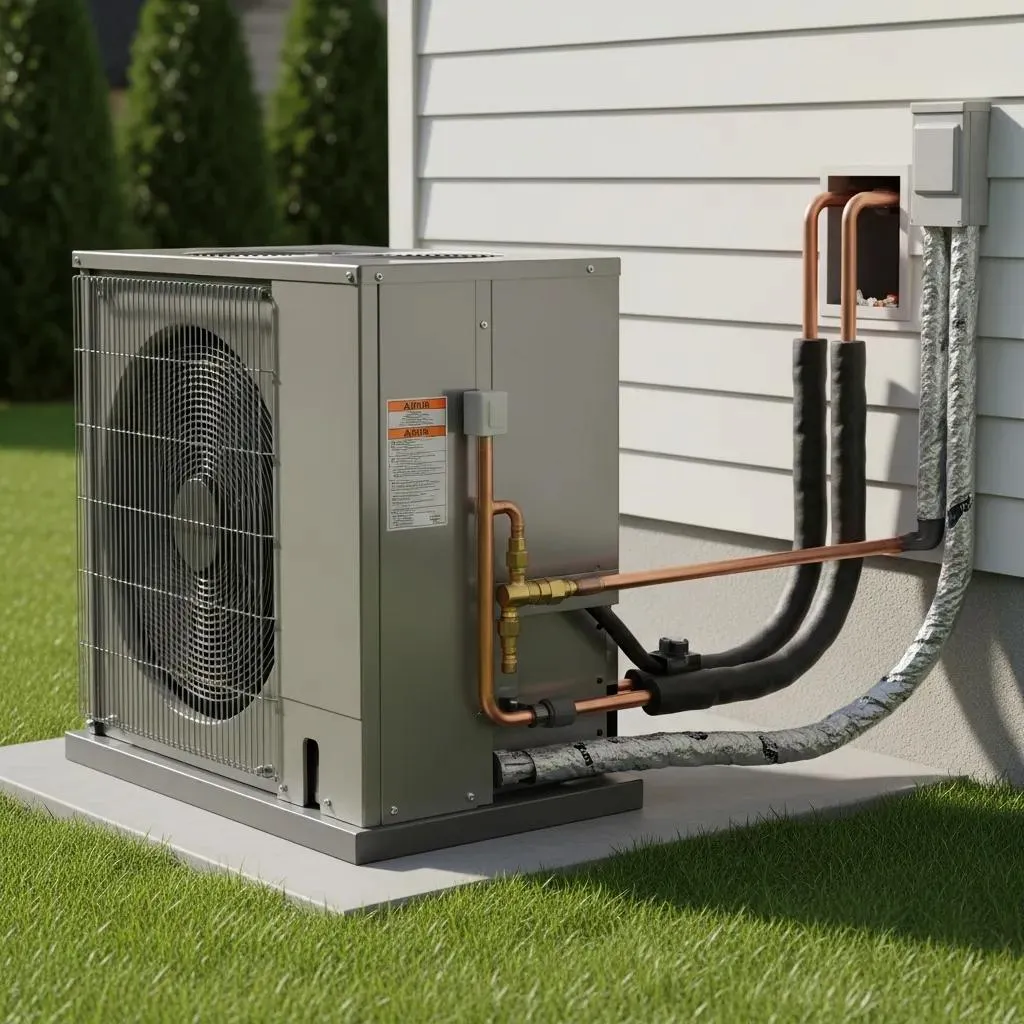
Essential Maintenance for Your Heat Pump System: Comprehensive Guide to Seasonal Care and Efficiency Improvement
Maintaining your heat pump system is crucial for ensuring optimal performance and longevity. Regular maintenance not only enhances efficiency but also helps in identifying potential issues before they escalate into costly repairs. This comprehensive guide will delve into essential maintenance practices, including how often to schedule tune-ups, cleaning tips, and troubleshooting common problems. By understanding these aspects, homeowners can significantly improve their heat pump’s efficiency and lifespan, ultimately leading to energy savings and a more comfortable living environment. We will explore the frequency of maintenance, key tasks involved, and the benefits of professional services, providing a roadmap for effective seasonal care.
How Often Should You Schedule a Heat Pump Seasonal Tune Up?
Scheduling regular seasonal tune-ups for your heat pump is essential for maintaining its efficiency and performance. Ideally, homeowners should plan for a tune-up at least once a year, preferably before the heating season begins. In regions with both heating and cooling needs, it’s beneficial to have the system checked annually, sometimes twice if heavy use occurs for both seasons. This proactive approach ensures that the system operates at peak efficiency, reducing energy costs and extending the lifespan of the unit. Regular maintenance can also help identify minor issues before they develop into major problems, saving homeowners from unexpected repair costs.
What Are the Key Tasks Included in a Heat Pump Tune Up?
A comprehensive heat pump services includes several key tasks designed to optimize performance and efficiency. These tasks typically involve:
- Inspecting and Cleaning Coils: Dirty coils can significantly reduce efficiency, so cleaning them is crucial. Removing dust and debris from the coils helps maintain proper heat transfer and prevents the system from overworking.
- Checking Refrigerant Levels and Pressure: Ensuring the correct refrigerant level and pressure is vital for optimal operation. Low refrigerant can cause the system to work harder, leading to increased energy consumption and potential damage.
- Testing Thermostat Accuracy and Settings: A properly functioning thermostat ensures the system operates efficiently. Calibrating the thermostat helps maintain consistent indoor temperatures and prevents unnecessary cycling.
- Inspecting Ductwork: Checking for leaks or blockages in the ductwork can improve airflow and efficiency. Sealing leaks prevents conditioned air from escaping, which reduces energy waste and improves comfort.
- Lubricating Moving Parts: To reduce friction and wear on motors and bearings. Proper lubrication extends the life of components and helps the system run smoothly and quietly.
- Checking Electrical Connections: Ensuring all wiring and connections are secure to prevent hazards. Loose or damaged connections can cause system failures or pose safety risks.
These tasks are essential for maintaining the heat pump’s performance and should be performed by a qualified technician during the seasonal tune-up. Regular attention to these areas helps keep the system running efficiently and reliably throughout the year.
How Regular Maintenance Extends Heat Pump Lifespan and Saves Energy
Regular maintenance plays a significant role in extending the lifespan of a heat pump. Well-maintained systems typically last longer than those without consistent upkeep, often exceeding a decade of reliable service. Additionally, routine maintenance can lead to substantial energy savings, as efficient systems consume less energy to operate. By investing in regular tune-ups, homeowners not only enhance their comfort but also reduce their overall energy expenses. Proactive care helps prevent breakdowns and costly repairs, making maintenance a smart financial decision in the long run.
What Are the Best Heat Pump Cleaning Tips for Optimal Performance?
Keeping your heat pump clean is essential for optimal performance. Regular cleaning helps prevent dust and debris from accumulating, which can hinder airflow and efficiency. Homeowners can take several steps to ensure their heat pump remains clean and functional. Consistent cleaning also helps avoid strain on the system, which can lead to premature wear and higher energy consumption.
How to Safely Clean Heat Pump Components Yourself
Cleaning heat pump components can be done safely with the right approach. Here are some tips for homeowners:
- Turn Off Power: Always ensure the unit is powered down before cleaning. This precaution protects you from electrical hazards and prevents damage to the system.
- Use a Soft Brush: Gently brush the coils and fins to remove dirt and debris. Avoid using harsh tools that could bend or damage delicate components.
- Vacuum the Area: Use a vacuum to clean around the unit, ensuring no obstructions are present. Clearing the surrounding area helps maintain proper airflow and prevents debris from entering the system.
- Check and Replace Filters: Regularly inspect and replace filters to maintain airflow. Clean filters improve air quality and reduce the workload on your heat pump.
These steps can help maintain the efficiency of your heat pump and prolong its lifespan. Performing basic cleaning regularly can prevent many common issues and keep your system running smoothly.
When to Rely on Professional Heat Pump Cleaning Services
While homeowners can perform basic cleaning, there are times when professional services are necessary. Consider hiring a professional if:
- You Notice Reduced Performance: If the heat pump is not heating or cooling effectively, it may require a thorough cleaning or servicing. Professionals have the tools and expertise to address deeper issues that are not easily visible.
- You See Ice Buildup: Ice on the coils or outdoor unit can indicate a problem that needs professional attention. This issue often requires specialized knowledge to diagnose and fix properly.
- You Lack Time or Tools: If you are unable to clean the unit yourself, a professional service can ensure it is done correctly. Hiring experts can save time and provide peace of mind that the job is thorough.
Professional cleaning services can provide a deeper clean and address any underlying issues that may affect performance. Regular professional maintenance complements homeowner efforts and helps maintain system reliability.
How Can You Improve Heat Pump Efficiency Through Maintenance?
Improving heat pump efficiency is achievable through consistent maintenance practices. Regular upkeep not only enhances performance but also contributes to significant energy savings. Efficient systems reduce environmental impact and lower utility bills, making maintenance a valuable investment.
Which Maintenance Practices Boost Energy Efficiency by Up to 15%?
- Regular Filter Replacement: Changing filters every 1-3 months can improve airflow and efficiency. Clean filters prevent dust buildup and help the system operate without unnecessary strain.
- Sealing Duct Leaks: Ensuring that ductwork is sealed properly can prevent energy loss. Proper sealing maintains consistent temperatures and reduces the workload on your heat pump.
- Thermostat Calibration: Regularly checking and calibrating the thermostat can optimize system performance. Accurate settings help maintain comfort while avoiding excessive energy use.
- Cleaning Coils Regularly: Ensures heat transfer efficiency is maintained. Clean coils allow the system to absorb and release heat effectively, improving overall operation.
Implementing these practices can lead to energy efficiency improvements of up to 15%, making a noticeable difference in energy bills. Consistent attention to these details supports a more sustainable and cost-effective home environment.
What Are the Signs Your Heat Pump Needs Efficiency Optimization?
Homeowners should be aware of signs indicating that their heat pump may need efficiency optimization. Common signs include:
- Increased Energy Bills: A sudden spike in energy costs can indicate inefficiency. This may be due to system components working harder than necessary or leaks in the system.
- Inconsistent Temperatures: If certain rooms are warmer or cooler than others, it may signal a problem. Uneven heating or cooling often points to airflow issues or thermostat problems.
- Unusual Noises: Strange sounds can indicate mechanical issues that need addressing. Early detection of these noises can prevent more serious damage.
- Excessive Humidity or Poor Airflow: May indicate system inefficiencies. Proper airflow and humidity control are essential for comfort and system health.
Recognizing these signs early can help homeowners take action before more significant problems arise. Timely maintenance or repairs can restore efficiency and prevent costly breakdowns.
What Are Common Heat Pump Problems and How Can You Troubleshoot Them?
Understanding common heat pump problems can empower homeowners to troubleshoot effectively. Many issues can be resolved with basic knowledge and timely intervention. Early troubleshooting helps maintain comfort and avoid expensive repairs.
How to Identify Early Warning Signs of Heat Pump Malfunctions
- Strange Noises: Unusual sounds like grinding, squealing, or rattling can indicate mechanical issues. These noises often signal worn or damaged components that need attention.
- Inconsistent Heating or Cooling: If the system struggles to maintain temperature, it may need servicing. This can be caused by refrigerant issues, dirty filters, or thermostat problems.
- Frequent Cycling: If the unit turns on and off frequently, it may be a sign of an underlying problem. Short cycling can reduce efficiency and increase wear on the system.
- Ice Formation on Outdoor Unit: Can indicate airflow or refrigerant issues. Ice buildup restricts heat exchange and can damage the system if not addressed promptly.
Identifying these signs early can prevent more extensive damage and costly repairs. Prompt action helps maintain system reliability and comfort.
When Should You Call a Professional Technician for Repairs?
Homeowners should consider calling a professional technician when:
- The Unit is Not Functioning: If the heat pump fails to operate, immediate professional help is necessary. A licensed technician can diagnose and fix the issue safely and effectively.
- You Notice Refrigerant Leaks: Leaks can be hazardous and require expert handling. Professionals have the tools to detect and repair leaks while ensuring environmental safety.
- You See Ice Buildup: Persistent ice on the unit should be assessed by a technician. This problem often requires specialized knowledge to resolve properly.
- Electrical Issues or Strange Smells Occur: Could indicate serious problems needing professional diagnosis. These symptoms may signal wiring faults or component failures that pose safety risks.
- The System is Over 10-15 Years Old: Older systems may need more frequent professional assessments. Aging equipment often requires more maintenance to remain efficient and reliable.
Professional technicians can diagnose and repair issues effectively, ensuring the heat pump operates efficiently. Their expertise helps extend the system’s lifespan and maintain home comfort.
Why Choose Professional Heat Pump Repair Services in Baton Rouge?
Choosing professional heat pump repair services is essential for maintaining system efficiency and reliability. Licensed technicians bring expertise and experience that can significantly benefit homeowners. Their knowledge ensures that repairs and maintenance are done correctly and safely.
What Are the Benefits of Licensed Technicians and Prompt Service?
- Expertise: Licensed professionals have the training and knowledge to handle complex issues. Their experience allows them to quickly diagnose problems and provide effective solutions.
- Warranty Protection: Professional repairs often come with warranties, providing peace of mind. This protection ensures that any future issues related to the repair are covered.
- Safety: Professionals adhere to safety standards, reducing the risk of accidents during repairs. Proper handling of electrical components and refrigerants is critical for homeowner safety.
These benefits highlight the importance of relying on qualified technicians for heat pump maintenance and repairs. Professional service helps maintain system performance and protects your investment.
How Customer Testimonials Reflect Service Reliability and Trust
Customer testimonials can provide insight into the reliability and quality of service offered by repair companies. Positive feedback often highlights: HVAC repair companies.
- Timeliness: Customers appreciate prompt service that minimizes downtime. Quick response times help restore comfort and prevent further damage.
- Quality of Work: Satisfied customers often mention thorough and effective repairs. High-quality workmanship ensures long-lasting results and system reliability.
- Customer Support: Good communication and support enhance the overall experience. Friendly and knowledgeable staff make the repair process smoother and more reassuring.
These testimonials can help homeowners make informed decisions when selecting a repair service. Trustworthy companies prioritize customer satisfaction and quality outcomes.
How to Perform a Heat Pump System Inspection: Seasonal Checklist and Schedule
Conducting regular inspections is vital for maintaining the health of your heat pump system. A seasonal checklist can help ensure that all necessary tasks are completed. Routine inspections allow for early detection of issues and help maintain optimal system performance.
What Are the Essential Steps in a Heat Pump Inspection?
- Visual Inspection: Check for any visible signs of wear, damage, or corrosion. Early identification of physical issues can prevent more serious problems down the line.
- Testing System Performance: Ensure the system operates within manufacturer specifications for temperature and cycling. Proper performance testing confirms that the heat pump is functioning efficiently.
- Cleaning Components: Clean coils, filters, and other components to maintain efficiency. Removing dirt and debris supports effective heat exchange and airflow.
- Checking Refrigerant Levels: Verify proper refrigerant charge to ensure optimal function. Correct refrigerant levels are essential for efficient heating and cooling.
- Inspecting Electrical Connections and Controls: Ensure all are secure and functioning properly. Reliable electrical connections prevent system failures and safety hazards.
Following these steps can help identify potential issues before they become significant problems. Regular inspections contribute to the longevity and efficiency of your heat pump system.
How to Use Maintenance Checklists and Tables for Effective Care
- Task Description: Clearly outline each task to be performed. Detailed descriptions help ensure that no maintenance step is overlooked.
- Frequency: Indicate how often each task should be completed (monthly, seasonally, annually). Scheduling tasks appropriately keeps the system in top condition year-round.
- Responsible Person: Assign tasks to specific individuals or technicians. Clear responsibility promotes accountability and timely completion of maintenance activities.
This structured approach ensures that all maintenance tasks are completed on time, promoting optimal heat pump performance. Organized care routines help prevent unexpected breakdowns and maintain energy efficiency.
Schedule Your Heat Pump Maintenance Today for Lasting Comfort
Don’t wait for problems to arise. Regular maintenance is key to keeping your heat pump running efficiently and reliably. Contact our licensed technicians in Baton Rouge to schedule your seasonal tune-up and professional cleaning services. Protect your investment, save on energy costs, and enjoy a comfortable home all year round.



Share This